
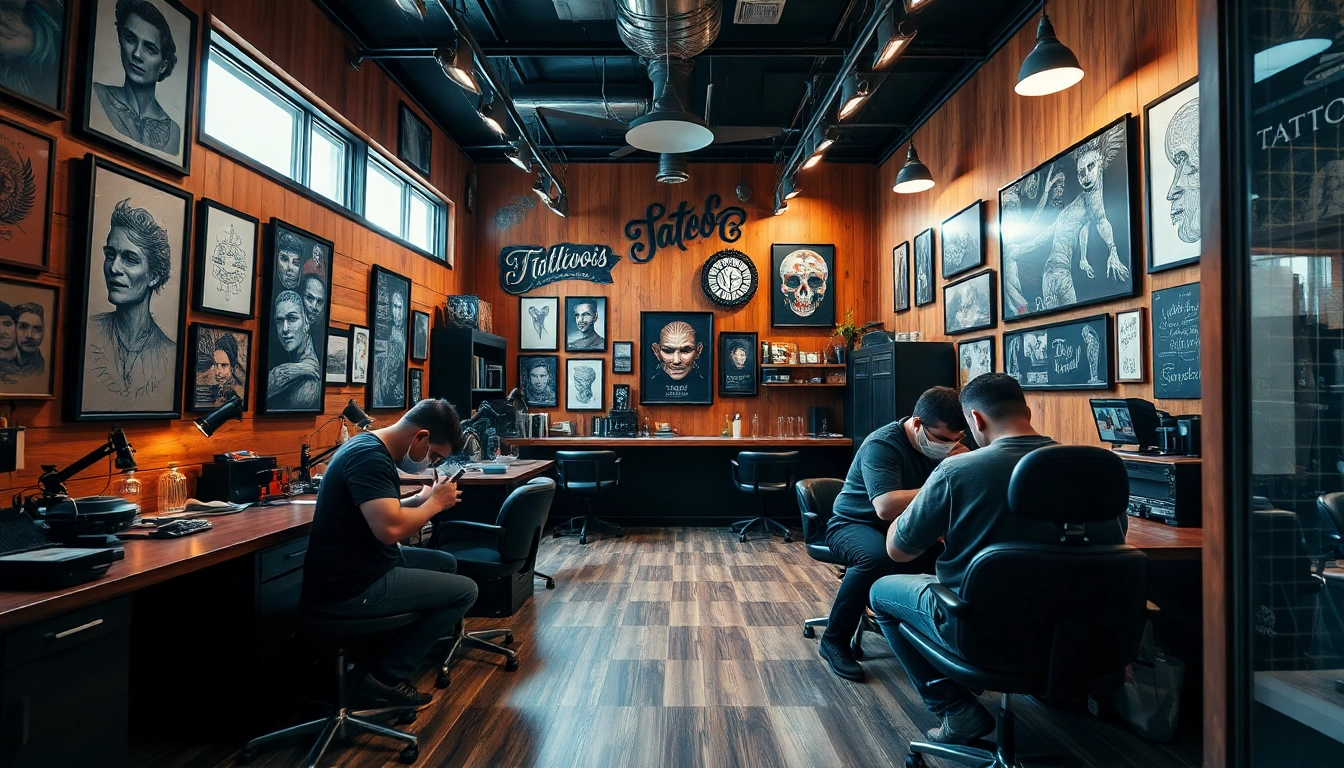
Understanding the Tattoo Industry Landscape in 2026
The tattoo industry has undergone significant transformations over the past few decades, evolving into a multifaceted cultural phenomenon that transcends mere body art. As we enter 2026, it is essential to comprehend the current landscape of the industry, which encompasses diverse styles, consumer preferences, and regulatory frameworks. Understanding these elements not only aids potential clients in making informed decisions about their body art but also enables tattoo artists and studios to navigate the complexities of the market effectively. When exploring options, https://89bet.tattoo/ provides comprehensive insights into the latest tattoo trends and technology advancements.
The Evolution of Tattoo Styles and Techniques
Historically, tattoos have been used to signify milestones, cultural identity, and personal expression. The current landscape reflects a rich tapestry of styles, from traditional American tattoos characterized by bold lines and vibrant colors to intricate Japanese designs that convey deep philosophical meanings. In addition, contemporary styles such as watercolor tattoos have emerged, appealing to a younger demographic that favors innovative aesthetics.
Techniques have also evolved dramatically, with advancements in equipment and ink quality. Professional-grade tattoo machines now allow for greater precision and speed, while vegan and hypoallergenic inks cater to a growing audience concerned about health and environmental impacts. This shift towards safer and more sustainable tattooing practices is shaping the industry’s future.
Consumer Trends and Preferences in Body Art
The preferences of consumers in the tattoo industry are continually shifting, driven by societal trends and individual desires for personalization. In 2026, there is a noticeable trend towards smaller, more delicate tattoos that can be easily concealed, appealing to those who appreciate subtler forms of self-expression. Additionally, there is an increasing interest in custom designs that reflect personal stories or values, emphasizing the importance of finding a tattoo artist who can transform individual ideas into art.
Sustainability is also influencing consumer choices. Many clients now prefer studios that prioritize eco-friendly practices, including the use of sustainable materials and waste reduction strategies. Tattoo artists and studios must adapt to these preferences to attract and retain a loyal clientele.
Regulatory Changes Impacting Tattoo Artists
As the tattoo industry gains more recognition, regulatory scrutiny is becoming more prevalent. Different regions are adopting new health and safety standards to ensure that tattooing is performed in hygienic environments. Artists must stay updated on local regulations, which may include licensing requirements, health inspections, and the use of specific materials. These regulations not only protect consumers but also enhance the professionalism of the industry.
Moreover, there are discussions around the legal age for getting tattoos and the potential for parental consent laws, especially for minors. This evolving legal framework will shape how tattoo artists interact with younger clients and their guardians.
Innovative Tattoo Technologies
The tattoo industry is being significantly transformed by innovative technologies that enhance both the artistic process and the customer experience. Artists now have access to an array of advanced tools that allow for greater accuracy and creativity in their work.
Advancements in Tattoo Ink and Equipment
The development of high-quality inks has revolutionized the tattooing process. Today’s inks are not only more vibrant and long-lasting but also come in a wider palette of colors, including those that reflect unique skin tones. Furthermore, the introduction of organic and vegan inks appeals to environmentally conscious consumers and those with skin sensitivities.
Moreover, tattoo machines have advanced with features such as rotary technology that reduces skin trauma and enhances the healing process. The accessibility of these technologies allows artists to refine their techniques and produce artwork of unparalleled quality.
Introduction of Augmented Reality in Tattoos
Augmented reality (AR) is emerging as a game-changer in the tattoo landscape, allowing clients to visualize potential designs on their skin before committing to the actual ink. With AR applications, customers can see how a tattoo would look in real-time and adjust sizes or placements to suit their preferences. This technological integration is not only enhancing the design process but also increasing client satisfaction and reducing regret.
Safety Standards: What to Expect Moving Forward
As the industry continues to evolve, heightened safety standards will likely become a norm rather than an exception. The adoption of stricter sanitation protocols, transparent sourcing of materials, and the implementation of aftercare guidelines are essential not just for compliance but also for establishing trust with clients. The future will demand that tattoo artists prioritize safety while delivering high-quality body art.
Choosing the Right Tattoo
For those contemplating body art, making the right choice is crucial. This involves considering various aspects, from the design itself to the artist’s skills and the overall experience.
Key Considerations Before Getting Inked
Before getting tattooed, individuals should reflect on their motivations and the meaning behind the design. Long-term commitment is a vital consideration, as tattoos are permanent. Clients should also educate themselves about the healing process and potential risks involved. Consulting with artists about their techniques and aftercare can further empower clients to make informed decisions.
Popular Designs and Their Meanings
Tattoo designs often hold significant meanings, and understanding these can help clients choose something that resonates with them. For instance, floral motifs tend to symbolize beauty and growth, while tribal designs often connect individuals to their cultural heritage. As trends evolve, minimalist designs are gaining popularity for their simplicity and elegance. Artists must be skilled in translating clients’ ideas into meaningful visuals.
How to Find the Perfect Tattoo Artist
Finding the right tattoo artist is perhaps the most crucial aspect of the tattoo experience. Clients should consider artists who specialize in their desired style. Portfolios showcasing previous work can provide insight into an artist’s skill set and artistic vision. Additionally, word-of-mouth recommendations and online reviews can direct clients to reputable professionals who prioritize hygiene and customer care.
The Role of Social Media in Tattoo Culture
In today’s digital age, social media has become an integral part of tattoo culture, influencing trends, artist visibility, and client engagement. Platforms such as Instagram and TikTok have provided avenues for artists to showcase their work and connect with potential clients.
Building a Personal Brand as a Tattoo Artist
Establishing a personal brand is essential for tattoo artists looking to stand out in a competitive market. Consistently sharing high-quality images of their work, engaging stories, and personal insights can attract a dedicated following. Collaborating with other artists and participating in community events can further enhance visibility and reputation.
Using Online Platforms to Discover Tattoo Inspirations
Clients increasingly turn to online platforms for inspiration when choosing their next tattoo. Instagram hashtags, Pinterest boards, and tattoo-specific forums offer a wealth of ideas that can spark creativity. Artists should leverage these platforms to showcase their unique styles and connect with inspiring clientele.
Engagement Strategies for Tattoo Studios on Social Media
For tattoo studios, effective social media engagement strategies are critical. Regularly posting engaging content, responding to client inquiries, and sharing aftercare tips fosters community and loyalty. Hosting online contests or collaborations can also boost interaction and exposure, drawing in new clients while keeping existing ones engaged.
Future Trends: What’s Next for the Tattoo Industry?
The future of the tattoo industry is poised for continued growth and innovation, shaped by emerging trends and technological advancements.
Predictions for Tattoo Art in the Coming Years
As the acceptance of tattoos increases among various demographics, we can expect to see even more diverse artistic expressions. Emerging styles that combine different cultural influences may become more prevalent, reflecting a globalized world where art transcends borders. Additionally, the integration of virtual reality (VR) experiences may enhance how clients interact with potential designs.
Emerging Markets and Growth Opportunities
As the tattoo industry expands globally, emerging markets in regions such as Asia and Africa present new opportunities for growth. Tattoo conventions and workshops in these areas can foster cross-cultural exchange and increase the visibility of local artists, contributing to a richer global tattoo culture.
How Sustainability is Shaping the Tattoo Industry
With sustainability becoming a priority for consumers, the tattoo industry is likely to see a surge in eco-conscious practices. For more information, Đăng ký 89bet offers valuable insights. This could include everything from biodegradable inks to sustainable sourcing of materials for tattoo equipment. Studios that establish themselves as environmentally friendly could gain a competitive edge in attracting conscious consumers.