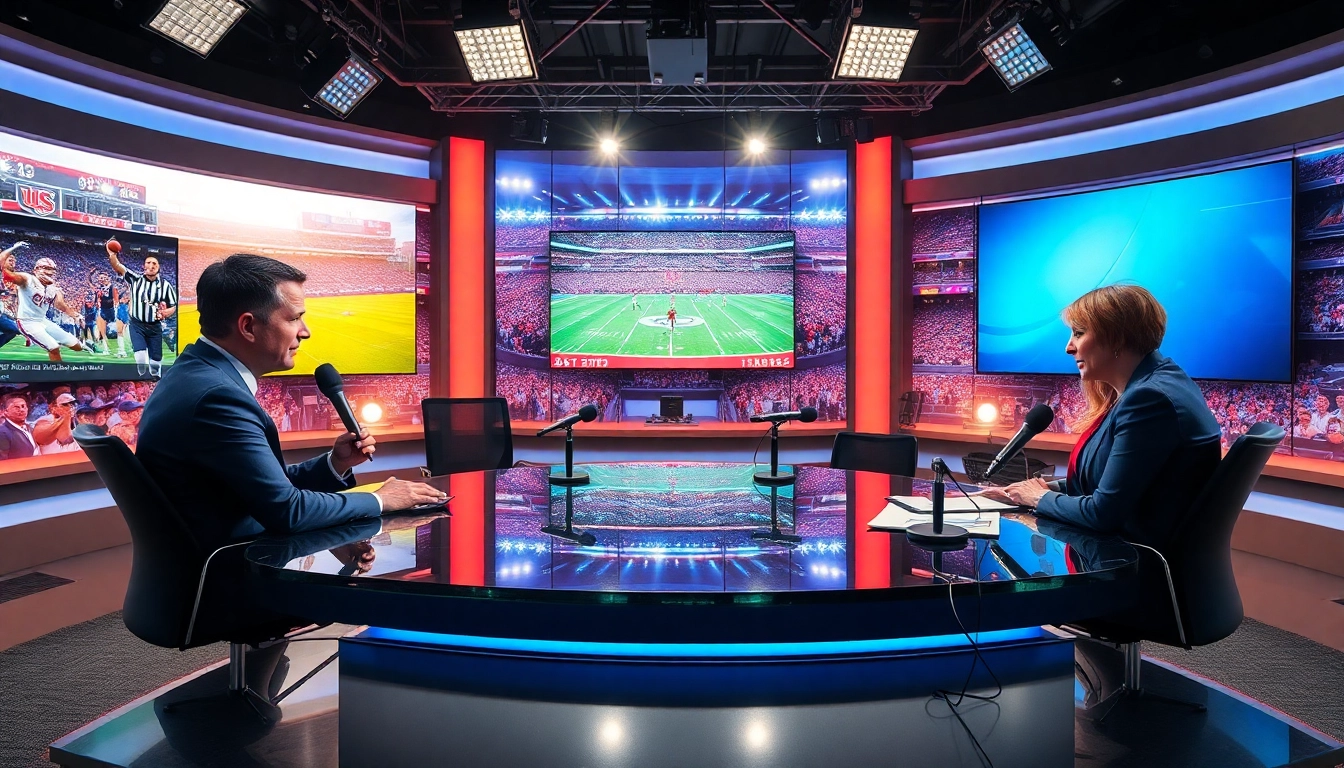
Understanding Sports Broadcasting
Definition and Importance of Sports Broadcasting
Sports broadcasting is the distribution of sports content via various media channels, including television, radio, and digital platforms. This crucial medium serves not just to entertain, but also to connect with the audience, fostering a sense of community and providing critical updates on events that shape sports culture. The importance of sports broadcasting lies in its ability to bring fans closer to their favorite teams and players, ensuring that even those unable to attend games in person can experience the thrill of live sports. For more comprehensive insights, explore Sports Broadcasting and its evolving landscape, connecting millions of passionate fans across the globe.
Key Components of Sports Broadcasting
When it comes to sports broadcasting, several key components contribute to its successful execution. First, the production team is central to creating a high-quality viewing experience. This includes camera operators, sound engineers, and editors who bring the broadcast to life. The commentators or analysts play a vital role as well, providing real-time insights and context to the events unfolding on the field. Additionally, the use of graphics and statistics enriches the viewing experience, supplying audiences with necessary information that enhances understanding and engagement.
Types of Sports Broadcasting Media
Sports broadcasting exists across multiple media types, each bringing unique advantages:
- Traditional Television: The most established medium, providing live coverage and analysis.
- Radio: Offers real-time play-by-play commentary, allowing fans to tune in wherever they are.
- Streaming Services: Digital platforms allow for on-demand access to sports events, catering to a growing audience that prefers flexible viewing options.
- Social Media: Provides live updates, highlights, and fan interaction, fostering community engagement.
Essential Skills for Sports Broadcasters
Communication and Presentation Skills
Effective communication is paramount in sports broadcasting. Broadcasters must convey information clearly and engagingly, often under tight deadlines. They need to adapt their style to suit different platforms while maintaining a strong connection with the audience. Presentation skills also encompass body language, vocal tone, and pacing, contributing to a full delivery that keeps viewers engaged and informed.
Research and Preparation Techniques
Successful sports broadcasters invest time in thorough research and preparation. This includes understanding the teams, players, and the statistical landscape of the sport. Preparation also involves being aware of ongoing narratives in the sports world, such as rivalries, injuries, and historical contexts that can add depth to commentary. Developing a system for organizing and accessing this information quickly can significantly enhance performance during live broadcasts.
Technical Skills and Equipment Proficiency
A solid grasp of technical skills and equipment is essential. Broadcasters must understand the tools of their trade—cameras, audio equipment, and broadcasting software. Familiarity with live-streaming technologies and platforms is also critical, as these tools are increasingly utilized in modern sports broadcasting. Training in these areas can improve confidence and proficiency, leading to better overall production quality.
Strategies for Effective Sports Broadcasting
Engaging Your Audience
Engagement strategies are vital for retaining viewers. Broadcasters can foster connection by using storytelling techniques to share personal anecdotes or highlight player journeys. Q&A segments, polls, and fan interactions during broadcasts can further engage audiences, making them feel valued and part of the conversation.
Maximizing Social Media in Sports Broadcasting
Social media platforms are invaluable for extending reach and building a community around sports broadcasting. Broadcasters should utilize channels like Twitter, Instagram, and TikTok to share live updates, behind-the-scenes content, and polls. Leveraging these platforms enables real-time interaction, enhancing viewer participation and loyalty.
Utilizing Analytics for Improvement
Analytics play a crucial role in assessing and improving broadcasting effectiveness. By evaluating viewer demographics, engagement rates, and feedback, broadcasters can tailor content to meet audience preferences better. Using analytics tools allows broadcasters to identify patterns and refine their approach, leading to improved viewer retention and satisfaction.
Challenges in Sports Broadcasting
Managing Live Broadcast Risks
Live broadcasting presents unique challenges, including unexpected disruptions, technical failures, or controversial moments. Broadcasters must develop contingency plans and train extensively to manage these situations effectively. Staying calm, thinking quickly, and smoothly navigating challenges can help maintain professionalism and viewer trust during chaotic moments.
Dealing with Controversy and Feedback
Controversies can arise at any time in sports, from player behavior to off-field decisions impacting teams. Broadcasters must navigate these waters carefully, providing balanced commentary while respecting differing opinions. Handling feedback, whether positive or negative, with professionalism is essential to build credibility and rapport with the audience.
Overcoming Competitive Pressures
With numerous outlets vying for audience attention, broadcasters face intense competition. Staying innovative and relevant is crucial. This requires an ongoing commitment to learning and adapting to the evolving landscape, including emerging media trends and audience preferences. Regular professional development and network-building can also provide insights and opportunities to stay ahead in the field.
The Future of Sports Broadcasting
Emerging Technologies in Broadcasting
The future of sports broadcasting is intertwined with technological advancements. Innovations such as augmented reality, virtual reality, and 5G technology are reshaping how fans experience sports. These tools can create immersive experiences, allowing viewers to engage with content in ways previously thought impossible.
Trends Reshaping the Sports Industry
Shifts in audience consumption habits, such as increased mobile viewership and a demand for personalized content, are transforming the broadcasting landscape. Trends like esports integration and subscription-based models are also gaining traction, making it essential for broadcasters to remain agile and responsive to changes in viewer habits.
Opportunities for Growth in Sports Broadcasting
There are numerous opportunities for growth in sports broadcasting. Expanding into niche markets, exploring collaborations with influencers, and focusing on local sports coverage can open new revenue streams. Additionally, as audiences demand diverse content—including women's sports and emerging leagues—broadcasters can position themselves as leaders in these areas to capture new and engaged viewers.
Frequently Asked Questions
What is sports broadcasting?
Sports broadcasting refers to the distribution of sports events and related content through various media, including TV, radio, and online platforms, often aimed at delivering live updates to fans.
What skills do sports broadcasters need?
Key skills include effective communication, technical proficiency with broadcasting equipment, research capabilities, and the ability to engage and connect with audiences.
How can social media enhance sports broadcasting?
Social media allows broadcasters to engage audiences in real-time, share exclusive content, and foster a community atmosphere, thereby enhancing overall viewer interaction and loyalty.
What are the biggest challenges in sports broadcasting?
Challenges include managing live broadcast risks like technical failures, addressing controversial topics, and overcoming competitive pressures from numerous other outlets.
What does the future hold for sports broadcasting?
The future may see technological advancements like VR and AR reshaping experiences, alongside trends towards personalized content delivery and engagement in emerging sports markets.